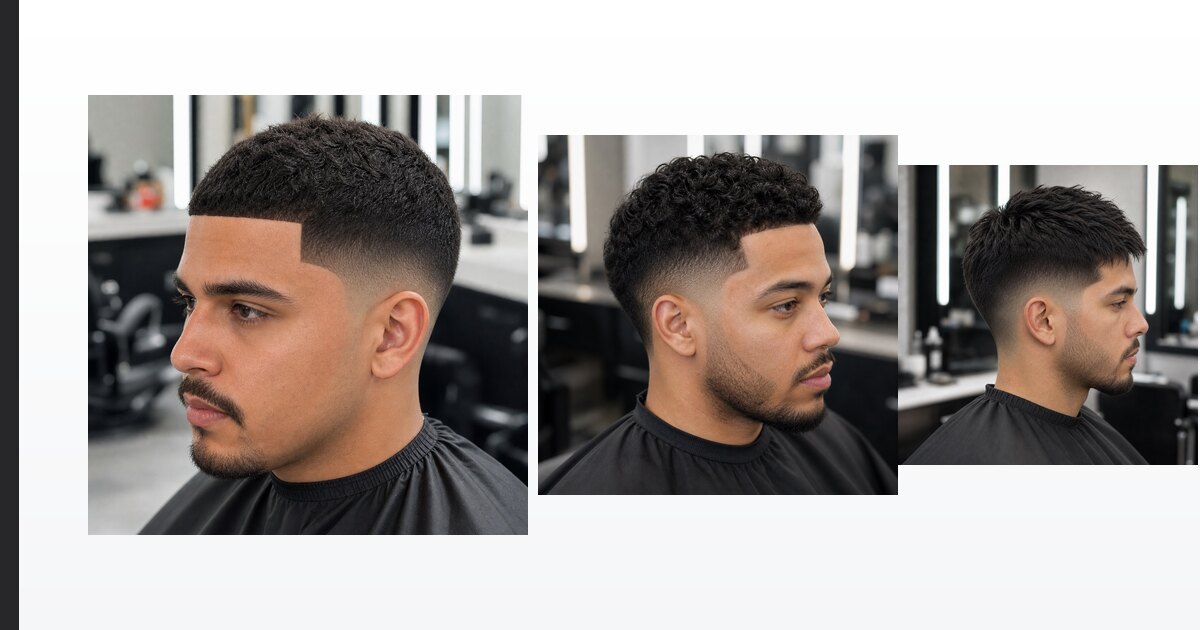
Doing a low taper fade means building a controlled blend around the sideburns and neckline without pushing the fade high into the side of the haircut.
Use this guide to translate search terms into a practical barber request, then compare the linked style pages for hair type, fade height, and maintenance.
What it means
Doing a low taper fade means building a controlled blend around the sideburns and neckline without pushing the fade high into the side of the haircut.
Compared with a full low fade, the taper area is smaller and more conservative. Compared with a temp fade, it usually includes more neckline cleanup.
How to ask for it
If you are explaining it to a barber, ask them to start the taper low, preserve the top shape, and check both sideburns and the neckline before detailing.
Bring one clear side or three-quarter reference image, then explain what should happen on top separately from what should happen around the sideburns and neckline.
Common mistakes
The biggest mistake is setting the first guideline too high. Once the taper climbs, the result reads more like a mid fade than a low taper.
If you are unsure, start with the softer or lower version. It is easier for a barber to tighten a fade than to put length and natural shape back.
Quick answers
Is how to do a low taper fade a real barber term?
Yes, but it still needs detail. Say the keyword, then describe fade height, top length, neckline, and whether you want a soft or sharp finish.
Should I bring a reference image?
Yes. A reference image gives the barber a shared target, especially for fade height, fringe length, curl volume, and the shape around the ear.
How often does it need maintenance?
Most taper and fade styles look sharpest for 2 to 3 weeks. Skin fades, line-ups, blunt crops, and buzz cuts usually need tighter upkeep.